It is informational content and does not replace medical, legal, or mental health advice.
In This Article
The Complete Story
Psychological Analysis
Self-Reflection Questions:
1. How do you feel about your relationship with your BIL, and what has changed recently?
2. Have there been any similar incidents in the past that might explain his behavior now?
3. What boundaries have you set for yourself in dealing with this situation, and are they effective?
Expert Healing Advice
1. **Communicate Clearly:** Have an open conversation with your BIL to express how his actions have made you feel. Use ‘I’ statements like ‘I felt hurt when…’ to keep the focus on your emotions.
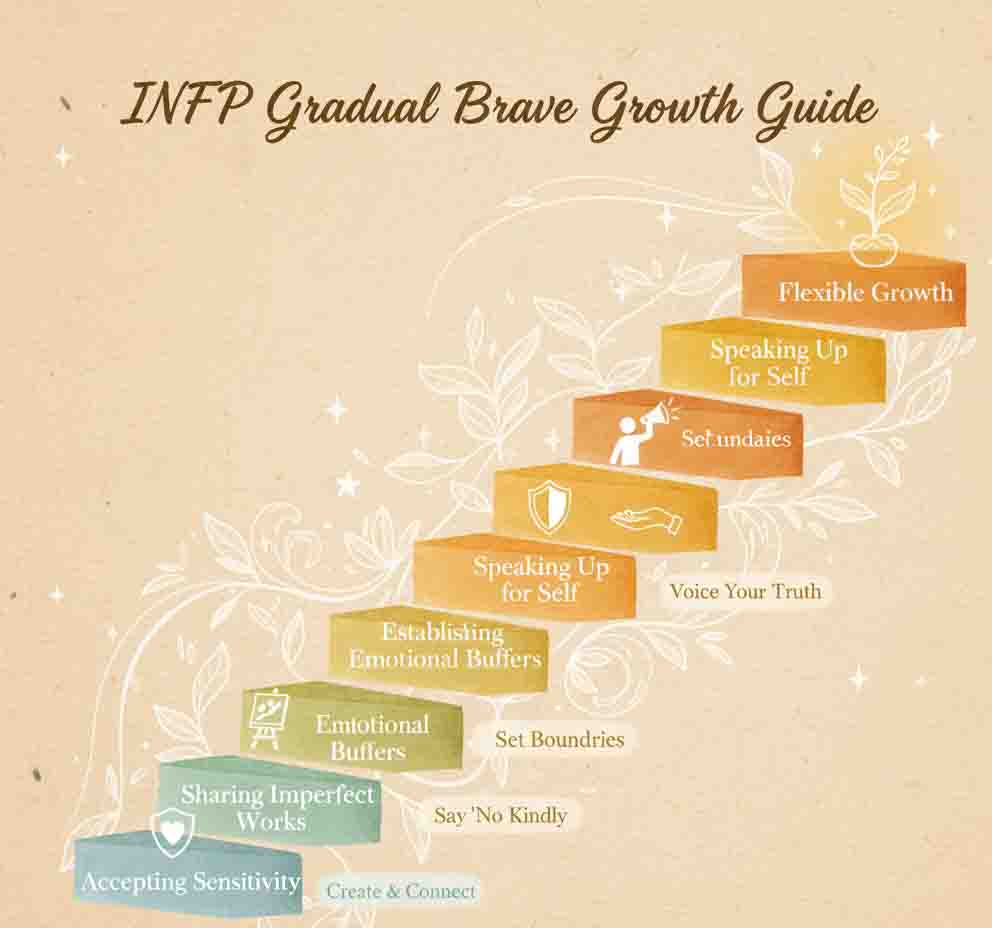
2. **Set Clear Boundaries:** Establish firm boundaries around what constitutes a fair request and what does not, ensuring that these are communicated in a non-confrontational manner.
3. **Seek Support:** Talk to trusted friends or family members about how you feel, as sharing your experiences can provide emotional support and practical advice.
4. **Consider Professional Help:** If the situation continues to be toxic, consulting a therapist who specializes in family dynamics might help both parties understand each other better and find healthier ways to communicate.
Warning Signs to Watch For:
1. Persistent requests for things that are clearly not your responsibility.
2. Escalating behavior from threats or insults to physical or emotional abuse.
3. Isolation tactics, such as cutting off contact with other family members.
Frequently Asked Questions
Q1
Is it normal to feel bad about causing a family fight?
Yes, it’s natural to feel guilty when actions you’ve taken affect your relationships negatively. However, standing up for yourself doesn’t mean you’re being unfair; it’s important to prioritize your emotional well-being.
Q2
How can I address the situation without further escalating tensions?
Approach the conversation calmly and focus on expressing how his behavior made you feel rather than making accusatory statements. Use ‘I’ statements like, ‘When you said… it felt…’ This helps maintain a constructive dialogue.
Q3
What if my BIL continues to be difficult even after setting boundaries?
If your BIL persists in pushing for more than he’s entitled to and his behavior remains toxic, consider limiting contact or seeking legal advice on how to handle the situation without further emotional distress.
Source: This story was inspired by a community discussion. All identifying details have been modified.